
Neuromarketing is the discipline that studies how the brain reacts to commercial stimuli and how it makes buying decisions. Its big revelation is clear: we don’t buy with logic, but with emotion, and then we rationally justify the decision.
The brain filters out most of the information it receives. To save energy, it uses mental shortcuts shaped over millions of years of evolution. Understanding these shortcuts is key to communicating better, selling more, and doing it without manipulation—simply by aligning with how the human mind works.
How the brain interprets reality
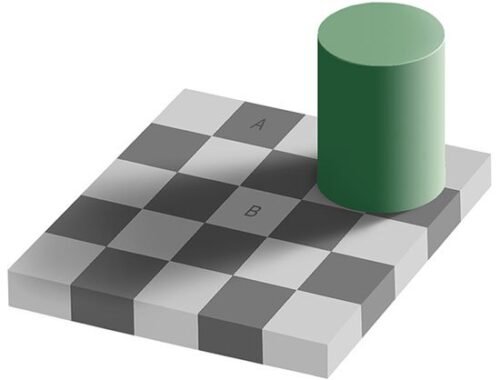
Our brain doesn’t see reality as it is, but as it believes it is. Contrast, light, context, and prior experience alter perception. Even if we rationally know something is one way, the brain insists on interpreting it another way.
Practical takeaway: it’s not enough to tell the truth—you have to present it in the way the brain prefers to process it.

Core principle of neuromarketing
“Sell to the mind, not to people.”
The mind decides before the person is even aware of it.
Neuromarketing techniques that actually work
- Emotion is in charge: over 90% of buying decisions are made emotionally. If you don’t move people, you don’t sell. Stories, memories, aspirations, and fears are more effective than technical data.
- Talk about benefits, not features: the brain doesn’t care who you are or how much you know. It cares what problem you solve and how life improves with you.
- Words that trigger buying: terms like free, now, limited, exclusive, last, new, or today only speed up the decision because they trigger fear of missing out.
- Real scarcity and urgency: the brain hates losing. A time or stock limit boosts conversions when it’s believable.
- Psychological pricing: prices with decimals and odd numbers feel lower. The brain compares visually, not mathematically.
- Anchoring effect: showing higher prices first makes the final price feel more attractive. It also works with stacked bonuses.
- Fewer options, more sales: too many alternatives create paralysis. One, two, or three options convert far better.
- Purchase speed: the faster and simpler the process, the higher the conversion rate. Every extra click cools the sale.
- Visual simplicity: clean pages with clear hierarchy and no clutter convert better than overloaded designs.
- The power of color: each color triggers different emotions. Choose colors based on the goal, not personal taste. You can look up information on “Color theory”—here’s a very interesting article https://unayta.es/teoria-del-color/.
- Numbered lists: the brain loves order. Lists structure information and improve retention.
- Strategic curiosity: don’t tell everything in the title. Leave a gap that makes people keep reading.
- The key question: “What’s in it for me?”. If your message doesn’t answer this quickly, the brain checks out.
- Memorable headlines: you have seconds to grab attention. A good headline blends curiosity, benefit, and emotion.
- Avoid ALL-CAPS headlines: online, they’re the equivalent of shouting and they create resistance.
- Gaze direction: if a person is looking toward a text or button, the user will look there too.
- Emotional connection: talk about real problems, specific pain points, and recognizable situations. Empathy sells.
- Reward and punishment: prizes, unlocked achievements, or losing benefits activate the motivation system.
- Short video beats images: short videos grab more attention and create stronger recall.
- Packaging and presentation: what catches the eye shapes perceived value.
- Textures and touch: quality materials raise the perceived value of the product and the person offering it.
- Clickbait (strategic use of curiosity): A technique based on creating headlines or messages that create a strong information gap in the brain. You say just enough to spark interest, but not enough to satisfy it—pushing the user to click, keep reading, or interact. It works because the brain hates uncertainty and needs closure. Used well, it doesn’t deceive; it simply promises value and delivers it afterward.
Examples:
• “No one explains why your sales aren’t growing… until now”
• “This small change doubled my conversions in 7 days”
• “If you have a website, you should read this before you keep losing money”
• “The number one mistake 90% of online businesses make”
• “I found out why my customers weren’t buying—and it wasn’t the price”
• “You’re using this strategy wrong and you don’t even know it”
• “What big brands do—and you’re ignoring”
• “I tried this technique for a week and the result surprised me”
• “If you sell services, this could change everything”
• “The real reason your ads don’t work”
• “Before you invest one more euro in advertising, read this”
• “No one talks about this detail, but it’s what decides the purchase”
• “This looks like a trick, but it’s based on neuroscience”
• “The brain makes this decision in 3 seconds (and you don’t influence it)”
• “You’re losing customers because of something so simple you can’t see it” - Familiarity effect: the more someone sees a brand, the more trust it builds. Repetition sells.
- Social proof: testimonials, reviews, and real cases reduce perceived risk.
- Authority: titles, proven experience, and confident communication build trust.
- Story before argument: the brain remembers stories, not data.
- Anticipation: showing what the customer will get before talking about price increases desire.
- Visual contrast: clear buttons on simple backgrounds convert better.
- Micro-commitments: small prior actions make the final yes easier.
- Implicit loss: showing what’s lost by not acting is more powerful than showing what’s gained.
- The reptilian code: The reptilian brain governs survival. Every product connects with one of these basic drives:

- Dominance: Power, status, and superiority. The need to stand out, lead, influence, or feel above others. Common in premium brands, luxury, success, and social recognition.
- Protection: Safety and survival. Seeking shelter, peace of mind, and risk reduction. Common in insurance, health, home, savings, and stability.
- Belonging: Tribe, acceptance, and identity. The need to be part of a group and feel recognized. Widely used in social media, communities, and brands with shared values.
- Exploration: Discovery and curiosity. The drive to seek what’s new, break routine, and live experiences. Typical in travel, adventure, technology, and learning.
- Pleasure: Enjoyment and gratification. Seeking pleasant sensations, comfort, and wellbeing. Present in leisure, gastronomy, rest, and sensory experiences.
- Control: Order and predictability. The need to master the environment, plan, and feel certain. Key in management tools, finance, and productivity.
- Freedom: Autonomy and independence. The desire to choose without restrictions and break limits. Widely used in automotive, entrepreneurship, and flexible lifestyles.
Identify your product’s main drive and communicate it clearly.
Practical conclusion
Neuromarketing doesn’t manipulate—it translates. Translate your message into the brain’s language. When you communicate the way the brain processes, selling stops being hard and becomes a natural consequence.
Apply these principles, watch them in action, and you’ll see your results change.