
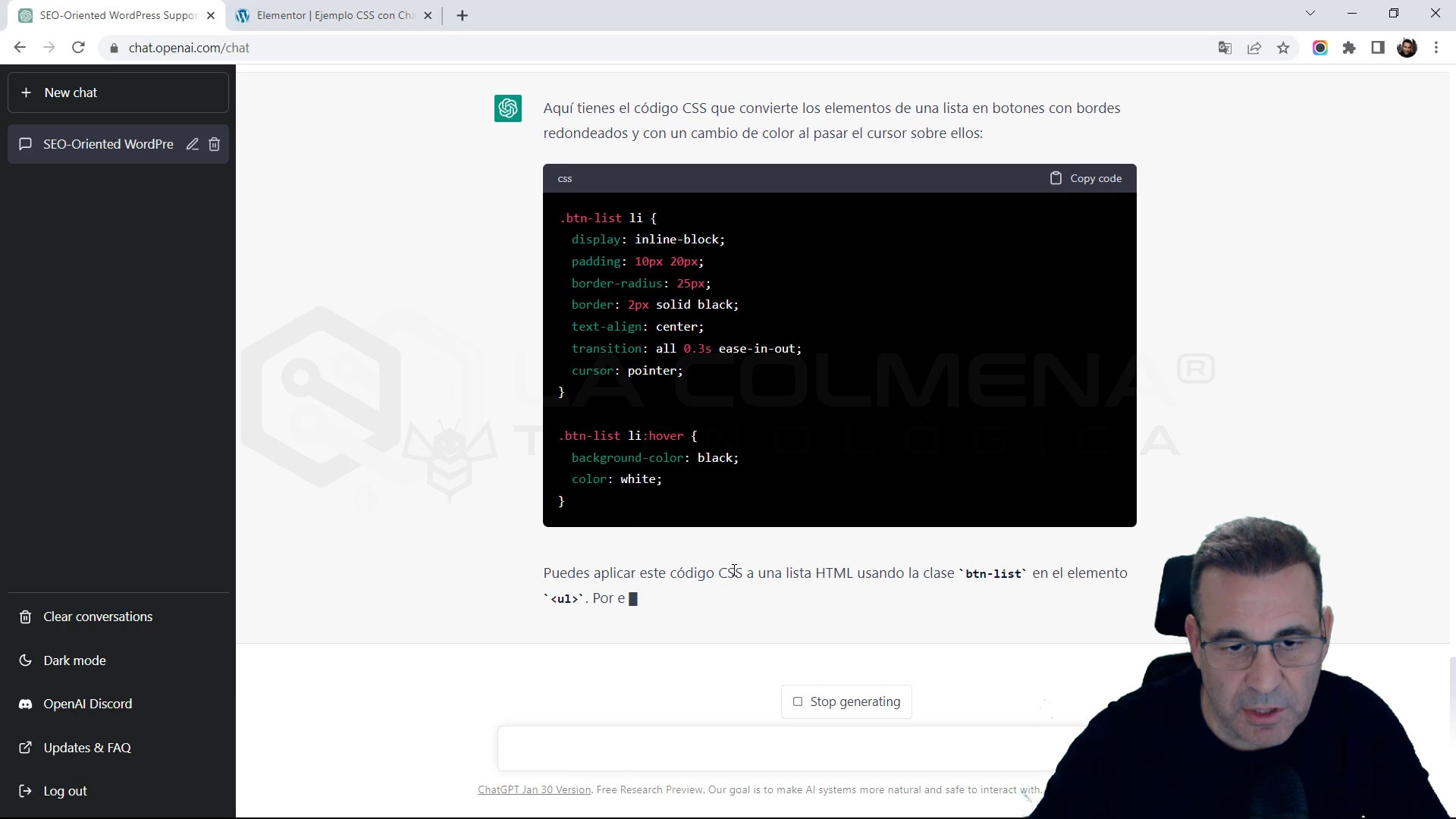
What is ChatGPT?

ChatGPT is a large language model developed by OpenAI. It was announced in 2020, but released to the general public in November 2022. It’s an AI (Artificial Intelligence) system trained on a huge amount of online text to answer questions and generate text.
The system uses a technique called Transformer or GPT-3 (Generative Pretrained Transformer-3), which allows the model to understand the context of questions and answers, giving it a stronger grasp of human language and greater accuracy in its responses.
On November 30, 2022, OpenAI introduced to the world the most advanced AI chatbot to date: ChatGPT, a language model optimized for dialogue. The release of ChatGPT generated huge excitement and attracted an impressive amount of online attention and traffic, sparking a lively debate across digital platforms.
ChatGPT is a multilingual language model and can respond in multiple languages, including English, Spanish, French, German, Italian, among others. However, its performance varies depending on the language and how much training it has received in that specific language. In general, ChatGPT performs better in English due to the amount of training data available in that language. That said, OpenAI is working to improve its performance in other languages and expand its multilingual capabilities.
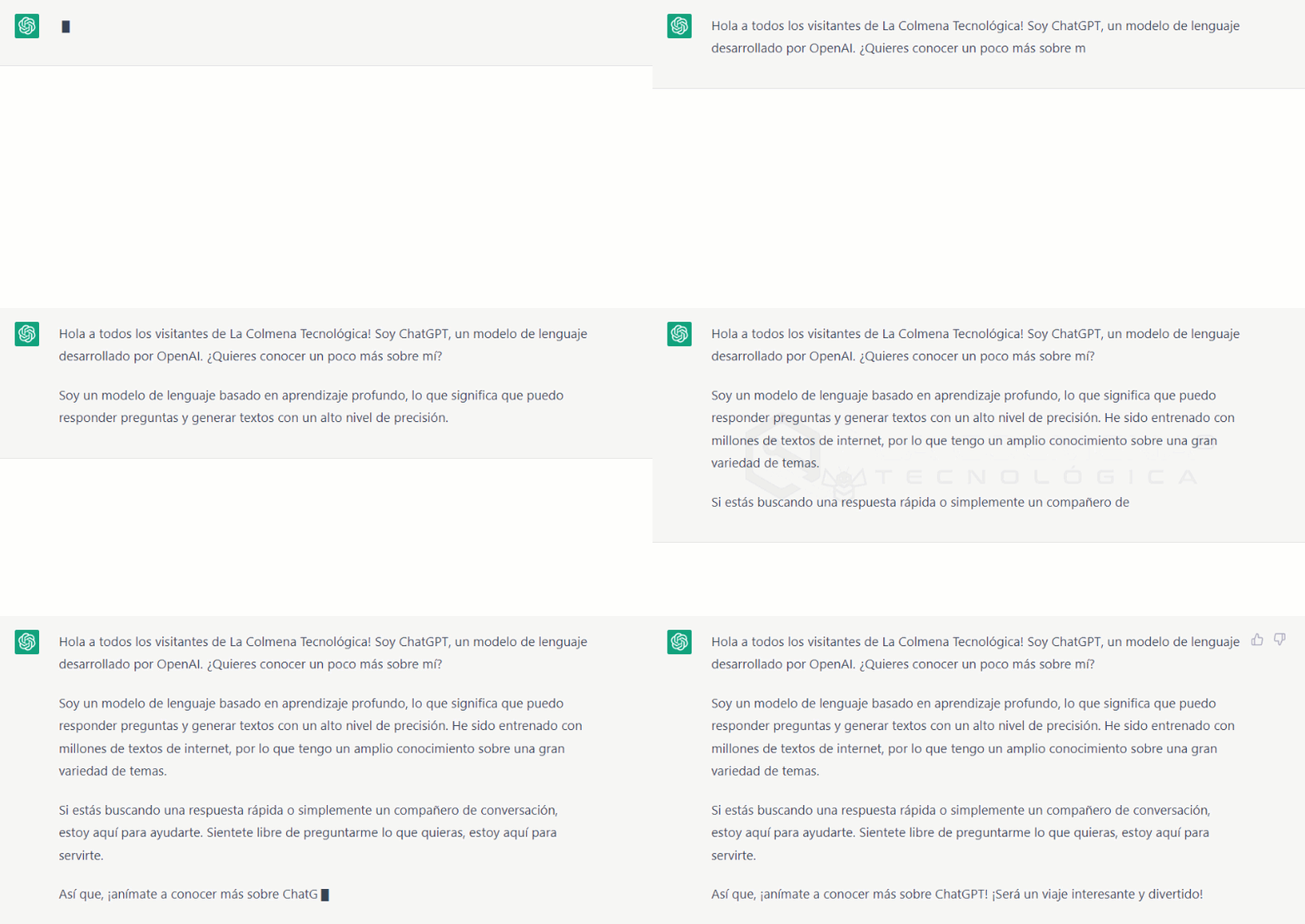
ChatGPT has been trained on an enormous amount of text—about 570 GB (175 billion words)—extracted from the internet. A wide variety of content was included, from news to online conversations, which allows me to develop a deep understanding of a broad range of topics and answer questions with high accuracy.
This massive training enables ChatGPT to understand human language very effectively and to answer questions and generate text accurately and fluently.
ChatGPT features
ChatGPT has the following key features:
- Context memory: ChatGPT can remember the context of previous conversations, allowing it to answer questions related to information provided earlier.
- Text generation: ChatGPT can generate complete texts from a prompt or a question, making it useful for tasks such as writing product descriptions or creating social media content.
- Language understanding: ChatGPT has been trained on a large amount of online text, enabling it to understand human language and answer complex questions.
- Customization: ChatGPT can be trained on specific languages and domains, enabling greater customization and improved accuracy in responses.
- Scalability: ChatGPT is a large-scale language model, which means it can answer questions and generate text much faster than smaller models.
These features make ChatGPT a useful tool for a wide range of applications, from content generation to answering complex questions.
GPT-3 (Generative Pretrained Transformer-3)
GPT-3 (Generative Pretrained Transformer-3) is an artificial intelligence language model developed by OpenAI. It is one of the largest and most advanced language neural networks to date, with 175 billion parameters.
GPT-3 has been trained on a wide variety of online texts, enabling it to understand human language and generate coherent, compelling text. In addition, due to its size and complexity, GPT-3 can perform a wide range of language tasks, including answering questions, generating descriptions, machine translation, writing computer programs, and solving math problems.
GPT-3 is also known for its ability to perform tasks that previously required human knowledge, such as writing articles and generating creative ideas. This has raised concerns about GPT-3’s impact on jobs that previously required human skills.
Overall, GPT-3 is one of the most impressive achievements in the field of artificial intelligence, and it is expected to have a significant impact on a wide variety of applications in the near future.
Generate SEO text with ChatGPT
In this video, I show how ChatGPT can be used for various website-related tasks, such as generating SEO-focused text, replying to customer reviews, and creating offers for social media. It also shows how to generate CSS code to turn a list into buttons, and how to answer questions about improving a page’s search engine rankings.
Looking ahead, ChatGPT will likely continue to evolve and improve, enabling greater customization and a stronger ability to answer complex questions. At the same time, it may be used in a wide range of applications, from a virtual assistant for the home to decision-support in industry.
In short, ChatGPT is a powerful tool for automating language-related tasks, and its potential for growth and adoption is enormous. In the video you can watch at the beginning of this post, it shows how it can be used for specific website-related tasks, demonstrating its versatility and usefulness in the digital world.
ChatGPT Plus
ChatGPT Plus is the paid version of this chat tool. The idea behind this version is to offer exclusive benefits to users who use it more often and are willing to pay for them.
For now, only users in the United States will have access to ChatGPT Plus, at a price of $20 per month.
However, the free version of ChatGPT will remain available, and OpenAI has no plans to stop offering free access to its AI. In fact, the paid version is expected to generate revenue to improve servers and expand capacity to serve more users at the same time. While paying users will have priority, free users are also expected to benefit.
ChatGPT Plus will have three main benefits that will improve the user experience.
- Priority access to ChatGPT, even during high traffic.
- Faster responses.
- Priority access to new features before free users.
For now, only users in the United States will have access to ChatGPT Plus, at a price of $20 per month. Interested users can join the waitlist and expect to get access in the coming weeks. OpenAI plans to expand to new regions and countries soon.
Free ChatGPT will continue to be offered. The current version of ChatGPT will remain available and, in fact, the launch of ChatGPT Plus will help fund the free version.
In addition, the ChatGPT API is coming soon. ChatGPT Plus will be improved with feedback from its users, who can share their opinions just as they have with ChatGPT responses. The next step is to launch the ChatGPT API, an interface for developers who can join a waitlist to integrate it into their projects.
Useful links
- OpenAI: https://openai.com/
- ChatGPT: https://chat.openai.com/
- ChatGPT Plus: https://openai.com/blog/chatgpt-plus/